
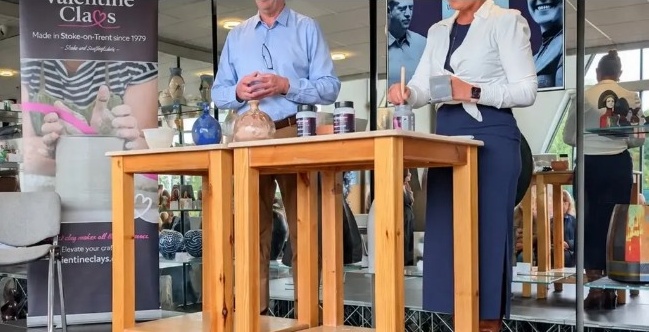
A day at Valentine Clays.
From the raw materials and machinery behind the scenes to glaze demonstrations and getting hands-on with the new range of mid-fire glazes.
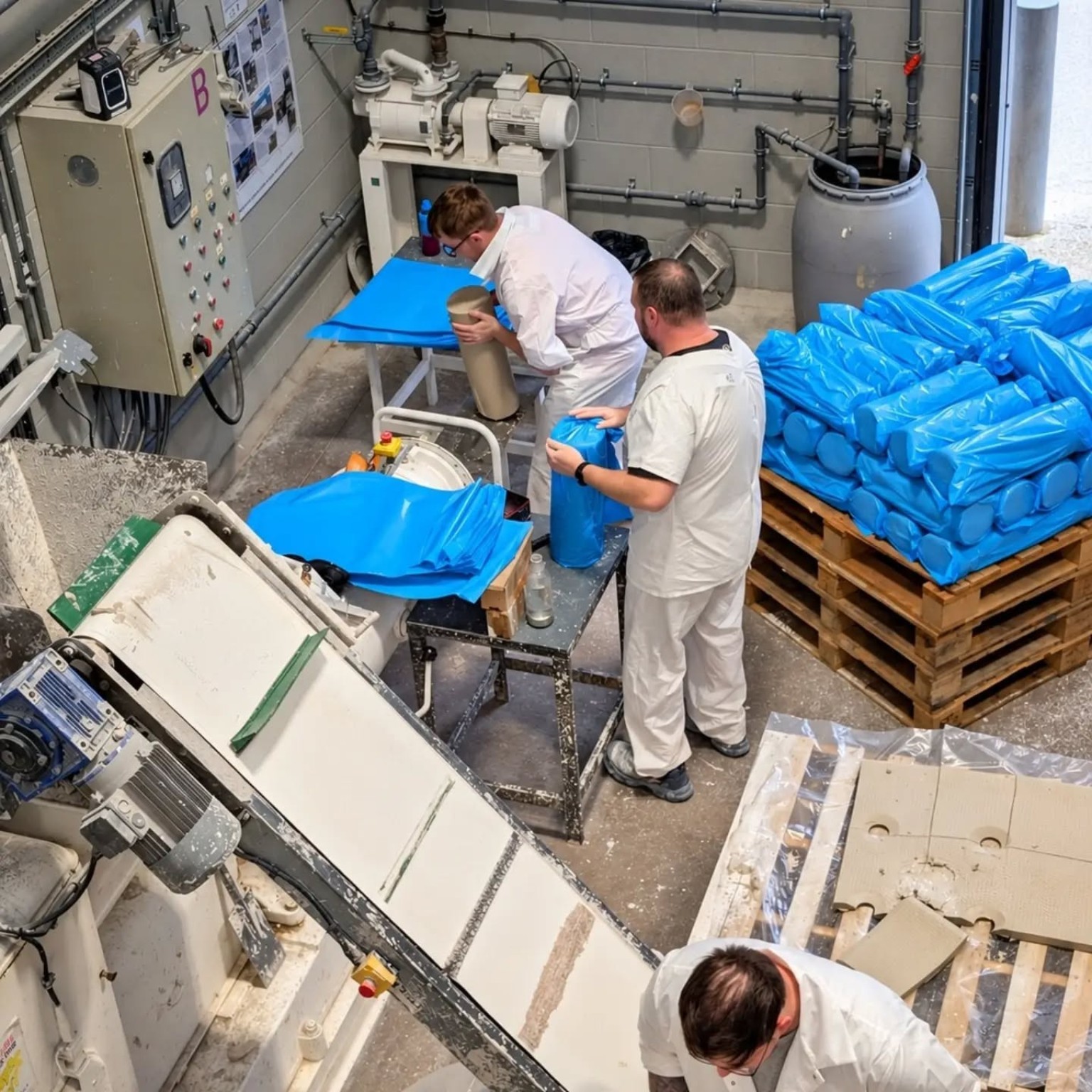
Valentine Clays has been making ceramic materials in Stoke-on-Trent since 1979. Most of my time is spent with clay once it has arrived in the studio, so it was good to go back a stage and see more of what happens before that: raw materials, machinery, testing and the decisions behind a clay body or glaze.
One of the things that stayed with me was how much knowledge, craft and industrial heritage sits behind something as simple as a jar of glaze. It’s easy to see a colour on a shelf and think only about the result you want. Seeing the materials and the testing behind it gives you a different appreciation of what is in the jar.
The glaze demonstrations were a big part of the day, including getting hands-on with the new mid-fire range. I came home with plenty of colour ideas, but also a reminder that a glaze never works in isolation. Clay body, application, thickness and firing all have their say.
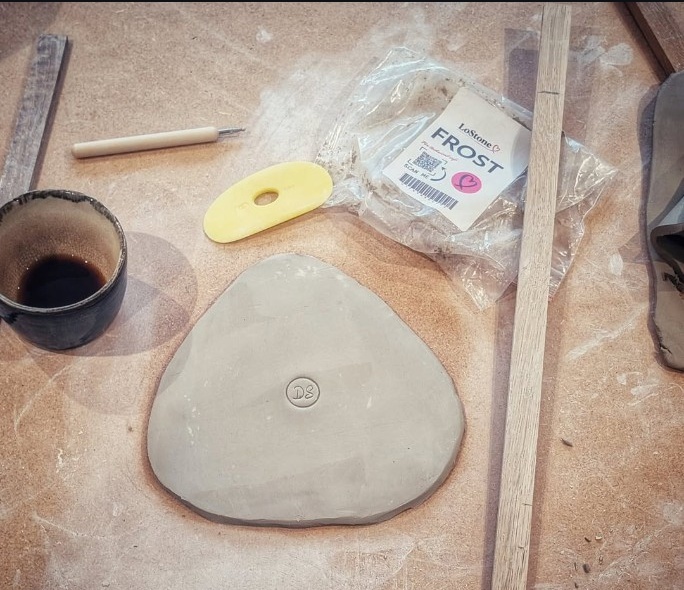
That was especially relevant because I’d already been using LoStone Frost from Valentine Clays for some hand-building, including a mug and slab-built pieces. Having the bag on the bench is one thing; seeing where the material comes from and how it is developed makes the connection much more real.
I also enjoyed the contrast between the industrial side of the day and the very familiar studio side of it. Big machinery and raw material handling at one end; pots, test pieces, brushes and conversations about colour at the other. Very Stoke-on-Trent.
A proper Stoke-on-Trent day: raw materials, machinery, glaze demonstrations, getting hands-on with new glazes and plenty of inspiration to take back to the studio. The next bit is the usual one: test it, fire it, live with it for a while and see what is actually worth keeping. The kiln normally gets the final say.
Valentine Clays