
Raku and a new direction in studio firing
Raku has been at the heart of my ceramics for some time, and it's something I intend to continue exploring. Most of my raku work is hand-built, with some pieces thrown on the wheel. I enjoy the physical nature of the firing, taking pieces from the kiln while still glowing hot, then introducing smoke and reduction to create the final surface.
There is an element of unpredictability that I like. You can make choices about the clay, form and glaze, but the firing always has some say in the result.
Alongside raku, though, I've been developing an interest in more functional studio ceramics. Cups, bowls and plates that are made to be used every day, rather than simply displayed. It's a different direction for my work, but one that offers its own opportunities to experiment with form, colour and surface.
Traditional raku isn't suited to making food safe tableware, so exploring this has meant looking at different clay bodies, glazes and firing methods. It's also influenced how I've been planning and equipping my home studio.
One of the more interesting developments supporting that move has been the LoStone range from Valentine Clays.
Stoneware at lower temperatures
Traditionally, stoneware has required firing temperatures of around 1200°C to 1300°C to achieve vitrification. This is the process that makes the fired clay dense, strong and much less porous.
Valentine Clays has developed LoStone to achieve these properties at considerably lower temperatures.
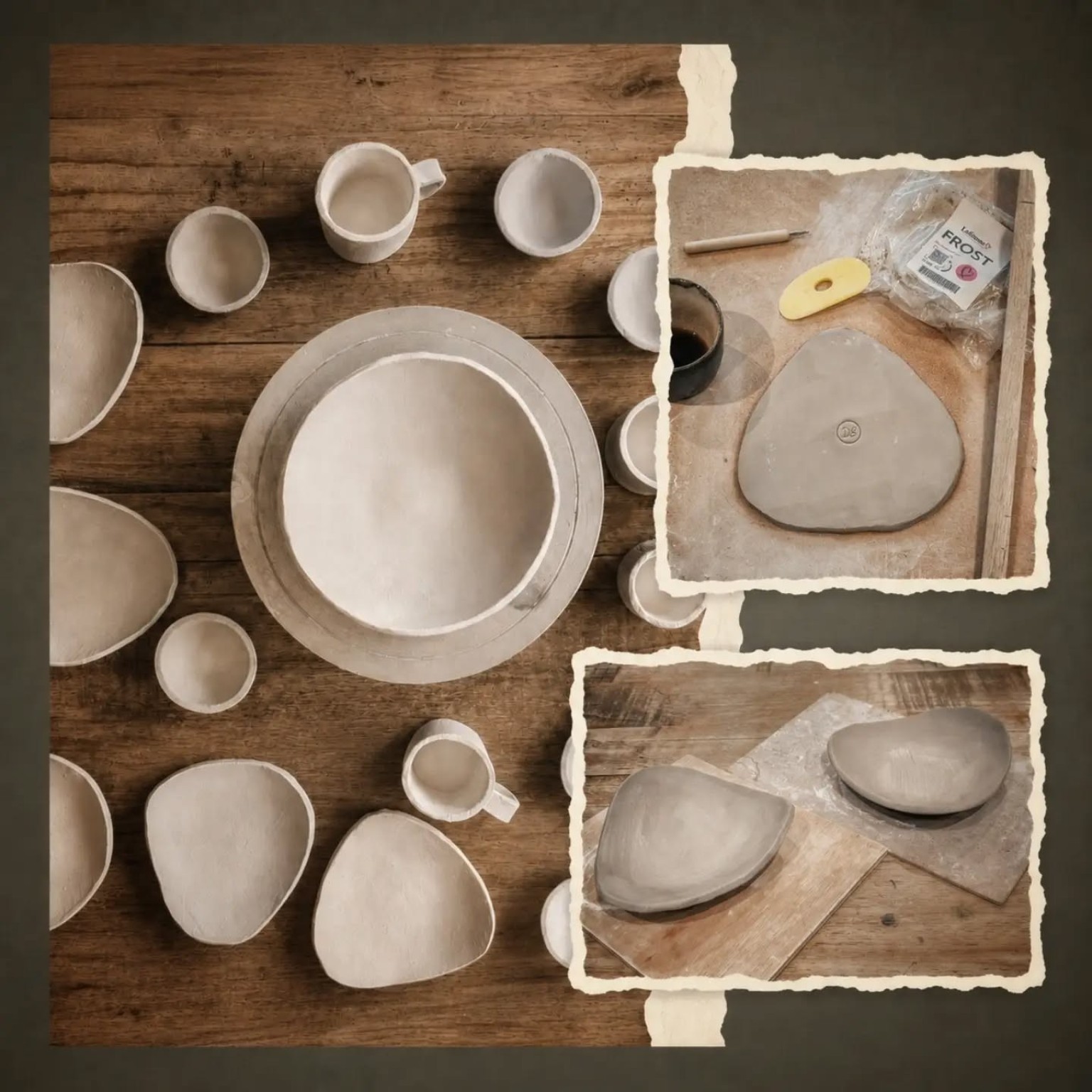
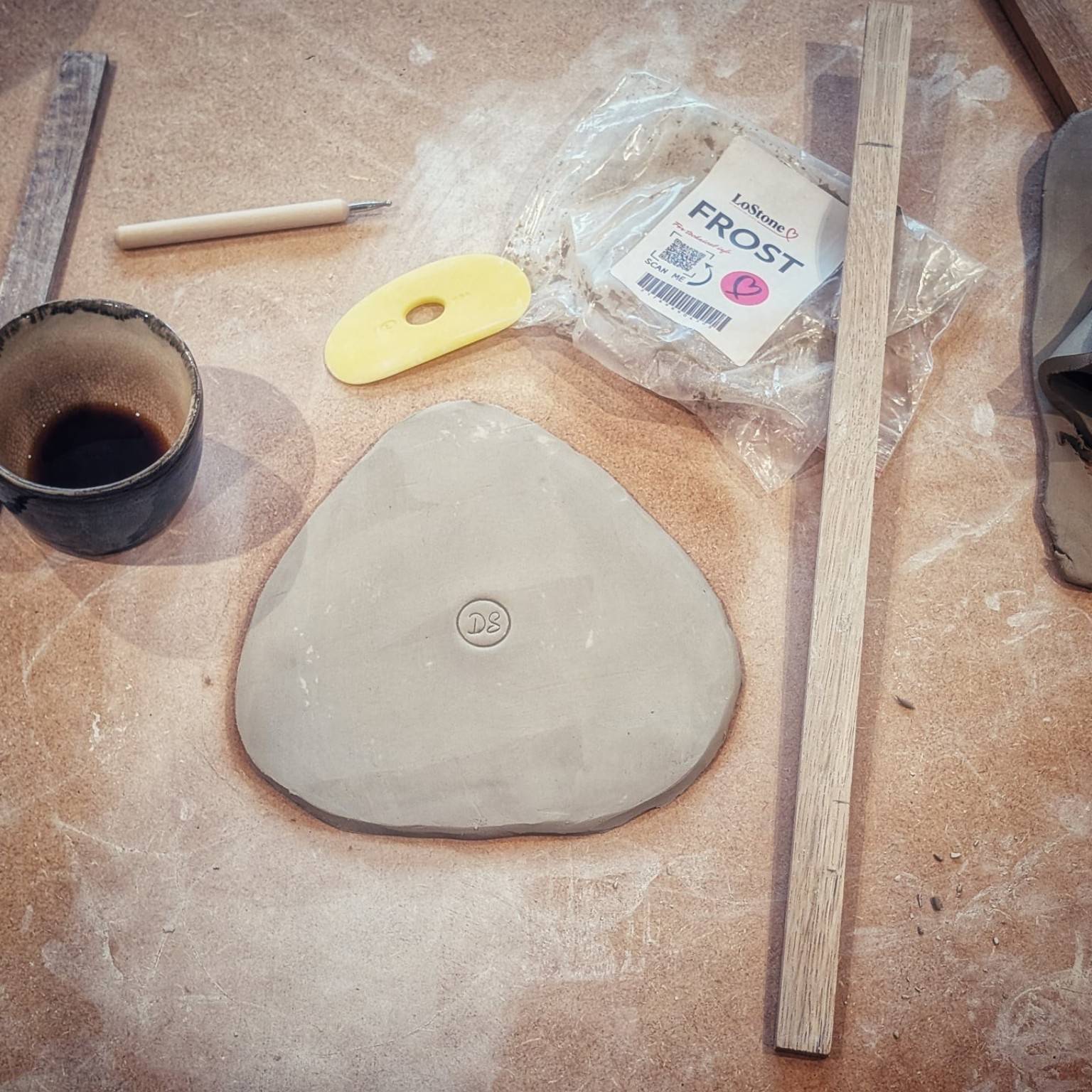
I've already been working with LoStone Frost, a smooth, off-white clay body designed to vitrify at around 1160°C. More recently, Valentine announced an improvement to its Dune clay body, which can now fully vitrify from just 1120°C.
I haven't worked with Dune myself yet, so I can't comment on its handling or finished results. However, the lower firing temperature and wider firing range make it something I'm keen to add alongside Frost.
The important distinction is that these are clay bodies specifically developed to mature at lower temperatures. Simply firing conventional stoneware at 1120°C wouldn't necessarily achieve the same result.
For anyone working in a smaller studio, that difference could be significant. It opens up possibilities for producing fully vitrified stoneware without necessarily needing the higher firing temperatures traditionally associated with it.
For me, it's particularly interesting because it makes the move towards functional ceramics more practical within the limitations of a home studio.
More than just the clay
The clay body is only one part of that development. Glazes are equally important, both in terms of their appearance and their suitability for functional pieces.
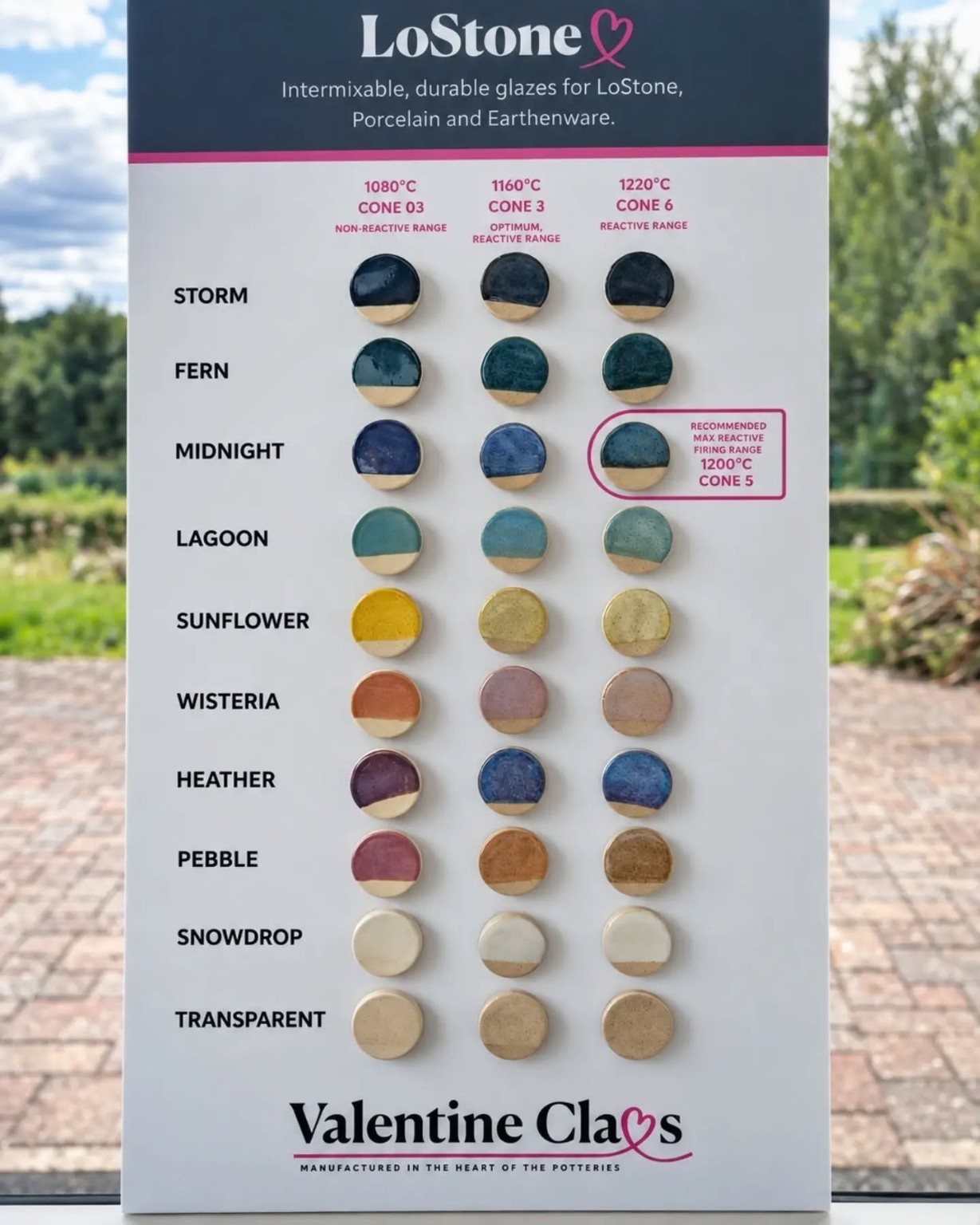
Valentine has also introduced ten complementary LoStone mid fire glazes, designed to work across a firing range of 1080°C to 1220°C.
During my recent visit to Valentine Clays, I had the opportunity to see the glazes and try some of them myself. The range includes colours such as Storm, Fern, Heather and Lagoon, with finishes that change in character as the firing temperature increases.
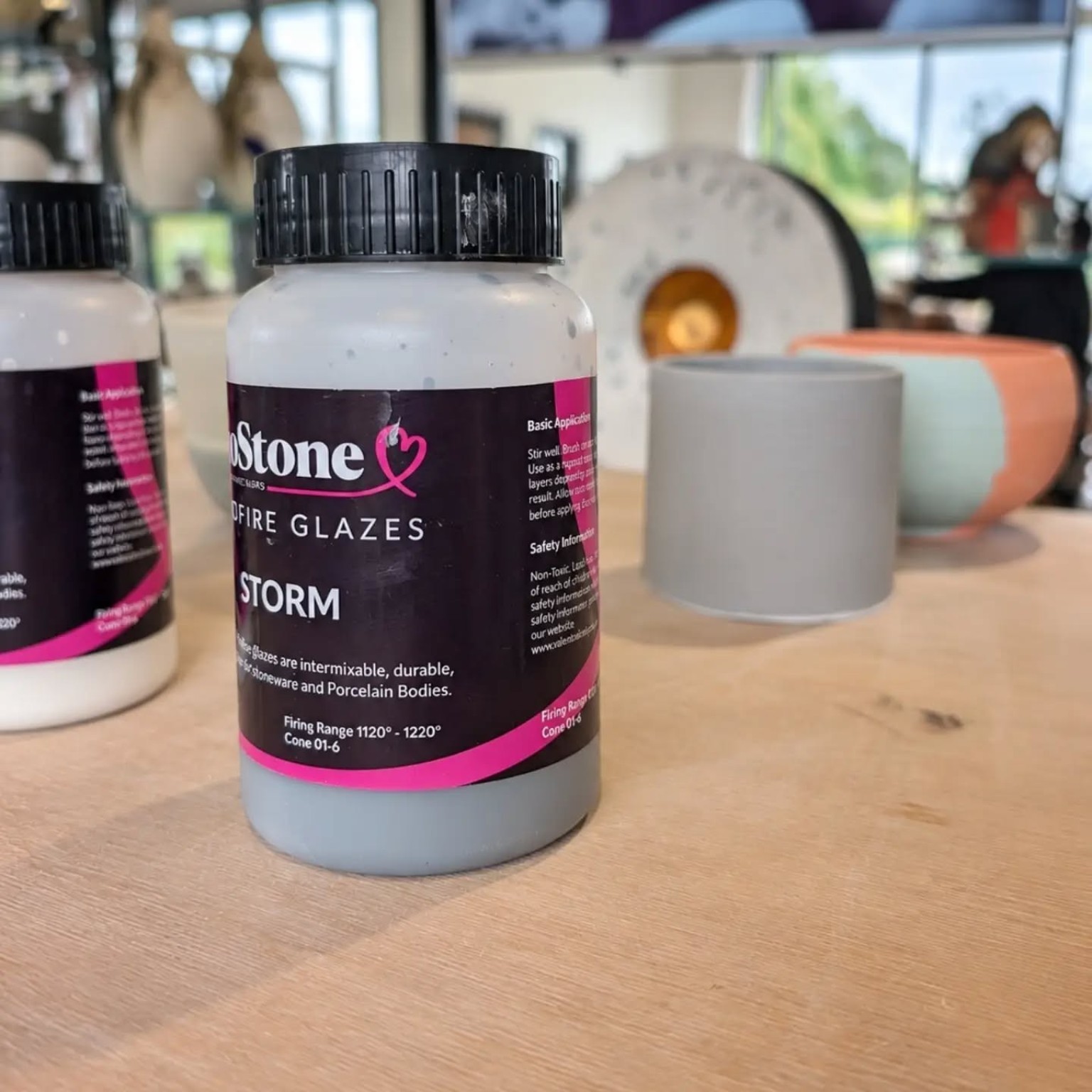
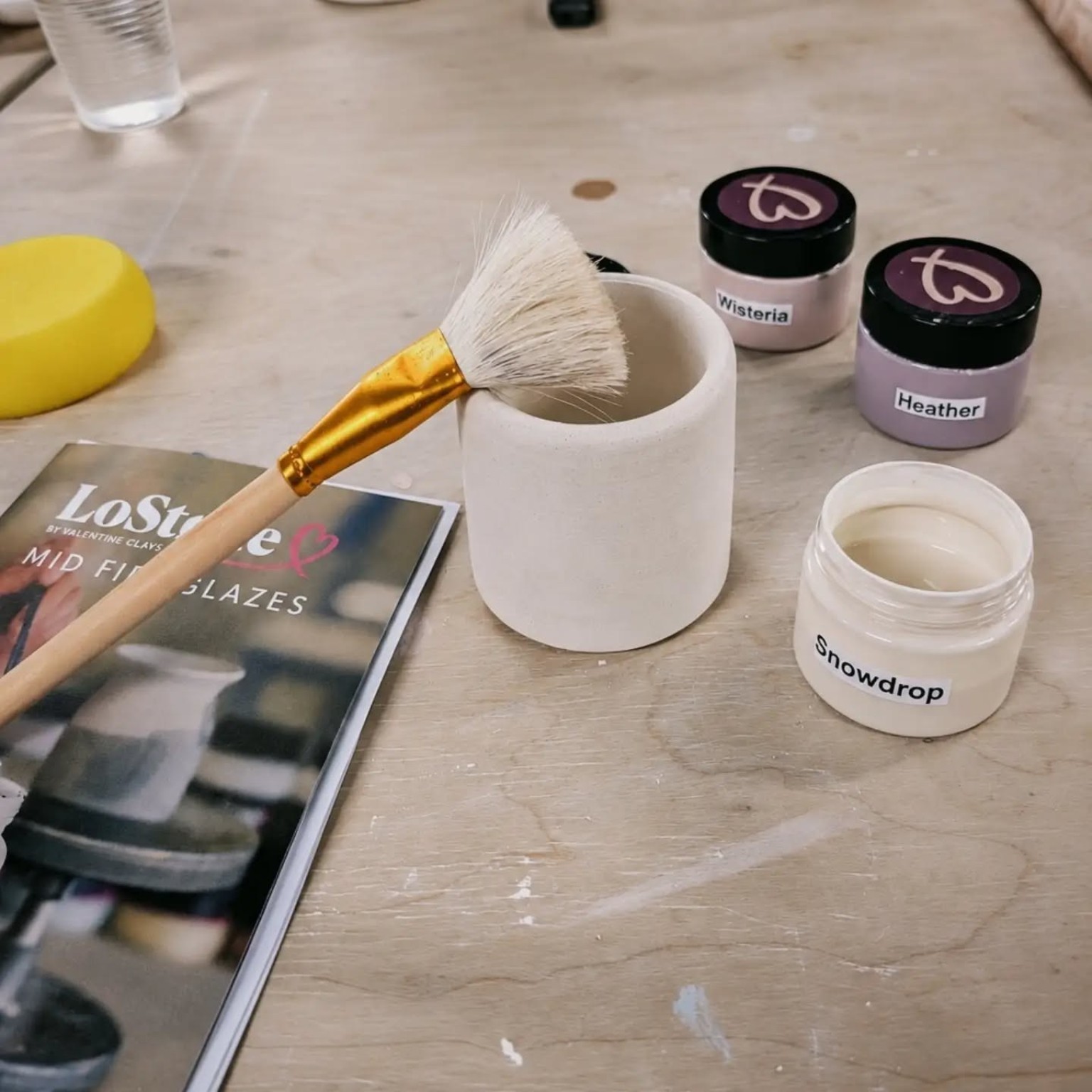
It's this opportunity to experiment that particularly interests me.
Raku offers such distinctive and often unpredictable surface finishes, and I don't want to lose that sense of exploration as I move into studio firing. Although the processes are quite different, there's something appealing about continuing to explore how clay, glaze and temperature interact to produce the finished piece.
Having glazes that offer different results across the firing range gives me another way to explore colour, texture and surface while producing more functional pieces.
Of course, making a fully vitrified clay body is only part of creating food safe ceramics. The glaze also needs to be appropriate for food contact, properly matured and compatible with the clay. The finished work needs to be assessed and tested for its intended use.
That's an important part of this next stage for me. It's not simply about producing pieces that look the way I want, but understanding how the materials behave together and making sure the finished work is suitable for everyday use.
What this means for my studio
There is also a very practical side to all of this.
As I've been planning my home studio, kiln choice has been one of the more significant decisions. It's not simply the cost of the kiln itself, but the electrical supply needed to run it.
Being able to use a smaller electric kiln that operates from a standard UK three pin socket, rather than having to install a dedicated higher current supply, makes a real difference to the cost and practicality of setting up.
The lower firing temperatures achievable with LoStone have helped shape that decision. Rather than choosing a kiln primarily around traditional stoneware temperatures, I've been able to look at what I actually need for the clay bodies and glazes I intend to use.
After considering the options, I eventually settled on the Cromartie H63 Eco Hobbytech, a 63-litre top-loading kiln.
It's the largest model in Cromartie's range that operates from a standard 13-amp, three-pin plug, while still reaching the temperatures I need for LoStone. That gives me a useful firing capacity for bowls, cups and other pieces without the additional expense of installing a dedicated higher-current electrical supply.
For my home studio, it felt like the right balance between capacity, capability and practicality.
There are longer-term benefits too. Firing below a kiln's maximum rated temperature should place less strain on the heating elements, potentially extending their working life.
There is also the energy required for each firing. Valentine Clays reports a 16% reduction in energy consumption when firing at 1160°C compared with 1260°C in comparable laboratory tests. Actual savings will vary with the kiln, its loading and the firing programme, but the principle makes sense.
If I can achieve the result I need at a lower temperature, there is little benefit in firing higher simply because the kiln is capable of it.
For a home studio, where running costs and equipment life matter, these are worthwhile considerations.
It's interesting how something that initially caught my attention as a development in clay has gone on to influence a much wider decision about the equipment and direction of my studio.
Adding to the journey
None of this means moving away from raku.
I still enjoy making the Scottish croft houses and other decorative pieces, and the combination of clay, glaze, smoke and fire remains central to that work.
Studio firing simply opens up another direction. It allows me to develop more functional pieces, work with different clays and glazes, and explore ceramics that can become part of everyday life.
What I find particularly encouraging about developments such as LoStone is that they make this more accessible to people working in home studios and smaller spaces. Fully vitrified stoneware no longer has to mean firing to traditional stoneware temperatures, and appropriately glazed and tested pieces can be made for food and drink.
The ability to do that with a relatively modest kiln, running from a standard household socket, makes it a much more achievable prospect.
I still have plenty of experimenting and testing ahead of me, particularly with the new glazes and eventually Dune. I'm looking forward to seeing how the different materials behave, finding combinations that work and learning from the results.
Raku will remain an important part of what I make. This is simply another opportunity to explore what I can do with clay, and I'm interested to see where it takes me.
Studio ceramics